Independent Bill Analysis

Your electricity bill has 47 line items. You probably understand two.

We analyze your last 12 electricity bills to identify whether your contracted power is appropriate, if your time-of-use tariff matches your actual consumption patterns, if you're paying reactive power penalties without knowing it, and if there are billing errors—which occur more often than people realize.

Professional analyzing detailed electricity bill with calculator and documents on wooden desk
Understanding every line item
What We Analyze

Four Critical Areas of Your Electricity Bill

Each analysis examines the components of your electricity costs that most frequently contain optimization opportunities or errors.

Contracted Power

We examine your actual power demand patterns across all billing periods to determine if your contracted capacity matches your real needs. Many consumers pay for excess capacity they never use.

Time-of-Use Tariff

Your consumption profile determines which tariff structure minimizes costs. We analyze when you actually consume electricity and calculate whether your current tariff assignment is optimal.

Reactive Power

Reactive power penalties appear on many bills without explanation. We identify if you're being charged for reactive energy and quantify the impact on your total costs.

Billing Accuracy

Billing systems process millions of invoices. Errors occur in meter readings, tariff applications, and calculation methods. We verify the mathematical accuracy of every charge.

The Complexity Problem

Why Electricity Bills Remain Confusing

Spanish electricity bills contain dozens of line items covering energy charges, capacity charges, regulated costs, taxes, and adjustments. The structure reflects a complex regulatory framework designed for grid management, not consumer clarity.

  • Multiple tariff components with technical terminology that requires industry knowledge to interpret
  • Time-differentiated pricing across multiple daily periods that vary by season and day type
  • Contracted power charges independent of actual consumption that many consumers don't understand
  • Reactive power penalties that appear without explanation of the underlying technical cause
  • Calculation methodologies that change periodically following regulatory updates

Understanding whether your bill is correct and optimally structured requires analyzing consumption data, tariff structures, and regulatory rules simultaneously.

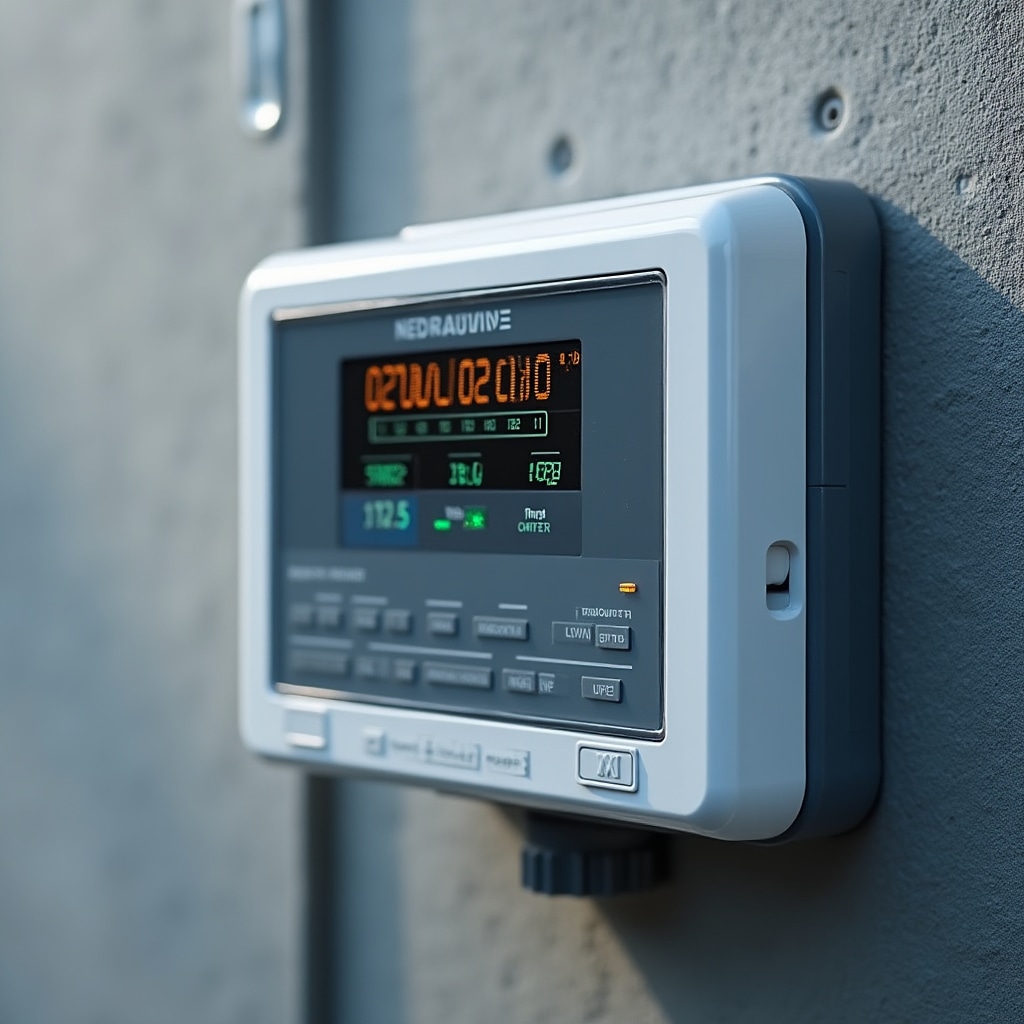
Modern digital electricity meter displaying multiple readings and data points mounted on concrete wall
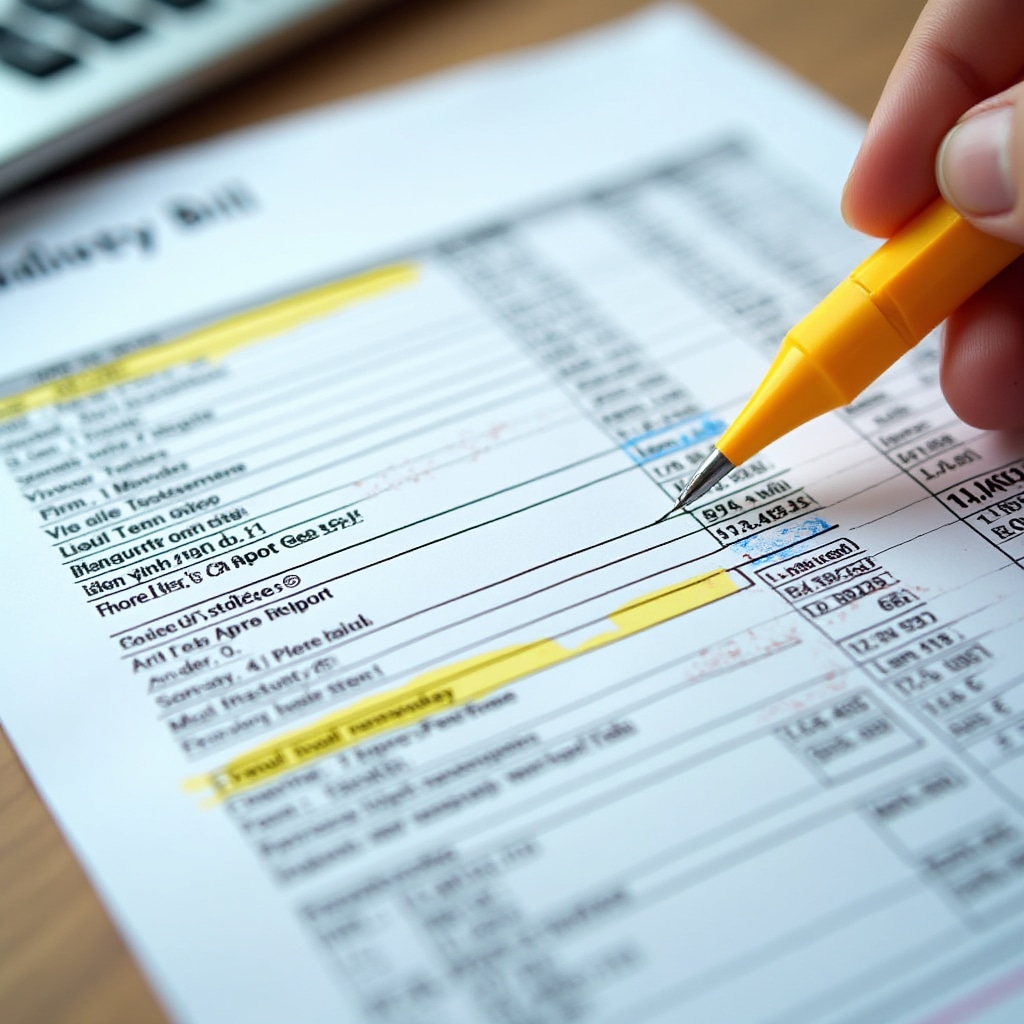
Close-up of electricity bill showing numerous line items and charges with highlighter marks
Our Process

How the Analysis Works

A systematic examination of your billing history to identify optimization opportunities and errors.

1

Document Collection

You provide your last 12 months of electricity bills in any format—PDF, paper copies, or digital downloads from your supplier.

2

Data Extraction

We extract consumption data, contracted parameters, tariff details, and all charges from each bill for analysis.

3

Analysis

We examine power demand patterns, consumption timing, tariff optimization possibilities, reactive power charges, and calculation accuracy.

4

Report Delivery

You receive a detailed report with findings and quantified recommendations showing potential savings or corrections.

Independent Analysis

We are not an energy supplier. We don't switch your company. We don't receive commissions from any operator. Our client is you, not the utility. This independence means our only interest is accuracy in the analysis and clarity in the recommendations.

About Our Approach

Receive Your Analysis Report

The report includes specific findings for each of the four analysis areas, quantified recommendations where optimization is possible, and explanation of any billing errors identified. Each recommendation includes the methodology used and expected impact.

Request Your Analysis
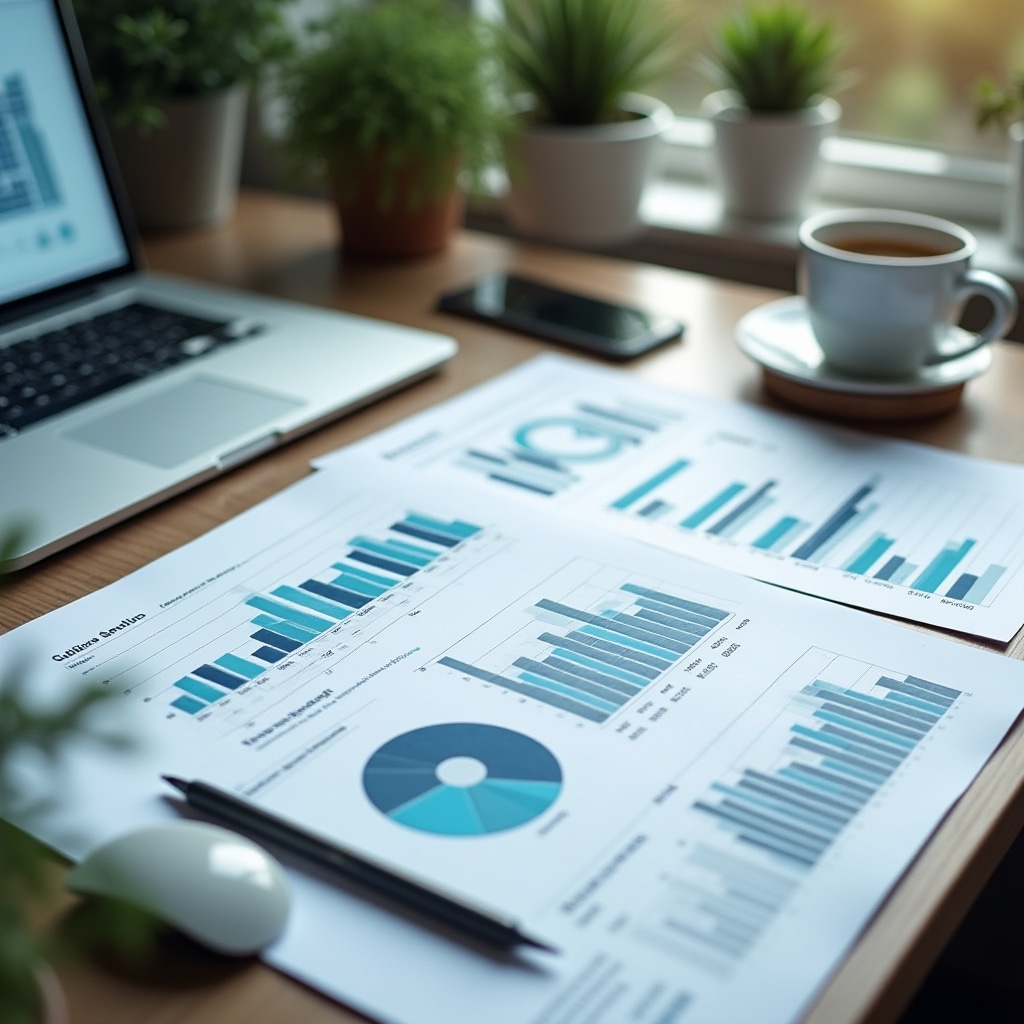
Professional business report with charts and analysis laid out on modern desk with laptop